Cancun Real Estate Closing Costs for Foreigners (2026)
What US and Canadian buyers should budget before reserving a condo, house, or lot in Cancun: trust structure, taxes, notary, due diligence, and cash reserves.
Published May 24, 2026 · Updated May 24, 2026


TL;DR
Foreign buyers in Cancun should budget more than the listing price. A real closing-cost plan can include acquisition tax, notary, public-registry items, certificates, fideicomiso setup if the property sits in the restricted zone, due diligence, translations, and cash reserves. The exact number should be tied to the actual property and transaction route, not copied from a generic blog.
Quick answer: what buyers usually miss
Most buyers ask about closing costs too late. They compare condos, negotiate price, and only then realize that taxes, trust setup, legal review, and reserve cash can move the real acquisition cost. In Cancun, the mistake is rarely one single fee. The mistake is treating the process like a simple cash transfer when the property still needs a trust route, title review, and a realistic closing schedule.
If you are buying from outside Mexico, the goal is not to guess one universal percentage. The goal is to build a conservative planning range, then confirm the exact estimate once the shortlist is real.
Why Cancun adds extra planning for foreign buyers
Cancun sits inside Mexico's restricted zone. That means many residential purchases by foreigners use a fideicomiso rather than direct deed ownership. The trust route is normal, but it changes timing, paperwork, and costs. A buyer should understand that before sending a reservation deposit.
The correct structure still depends on the property type, buyer profile, intended use, and whether the transaction is residential, mixed-use, or part of a broader investment structure. That is why a conservative guide is more useful than a blog that promises one exact fee range for every deal.

The ownership route matters because the legal structure changes the closing path, timing, and cost categories.
Main closing-cost categories to budget
| Category | Why it appears | What to verify |
|---|---|---|
| Acquisition tax | State or municipal tax tied to the transaction value. | Whether the estimate is based on actual price, assessed value, or another reference. |
| Notary and public-registry work | Deed preparation, recording, certificates, and legal formalization. | Who is handling the closing, what documents are missing, and whether any corrections are needed. |
| Fideicomiso setup and bank charges | Common for foreign residential ownership in the restricted zone. | Initial setup, annual administration, and whether the trust path is actually the right structure. |
| Due diligence and legal review | Title, seller authority, tax status, HOA rules, permits, and risk review. | Which professional is reviewing documents and what happens if a red flag appears. |
| Cash reserves and transfer friction | Currency movement, bank requirements, unexpected admin items, or timeline slippage. | How much cushion the buyer should keep outside the reservation and purchase price. |
Due diligence before any reservation deposit
Closing costs only matter if the property itself is safe to buy. Before reserving, confirm title status, seller authority, property taxes, condominium rules, construction permits, delivery timeline, and what is actually included in the transaction. A beautiful condo can still become a weak purchase if the paperwork or building rules do not fit your plan.
This is why Flamingo uses the guide as a qualification asset, not as a replacement for review. Once the buyer sends target budget, zone, and property type, the next step is not "pay now." The next step is a shortlist and a real closing-path review.
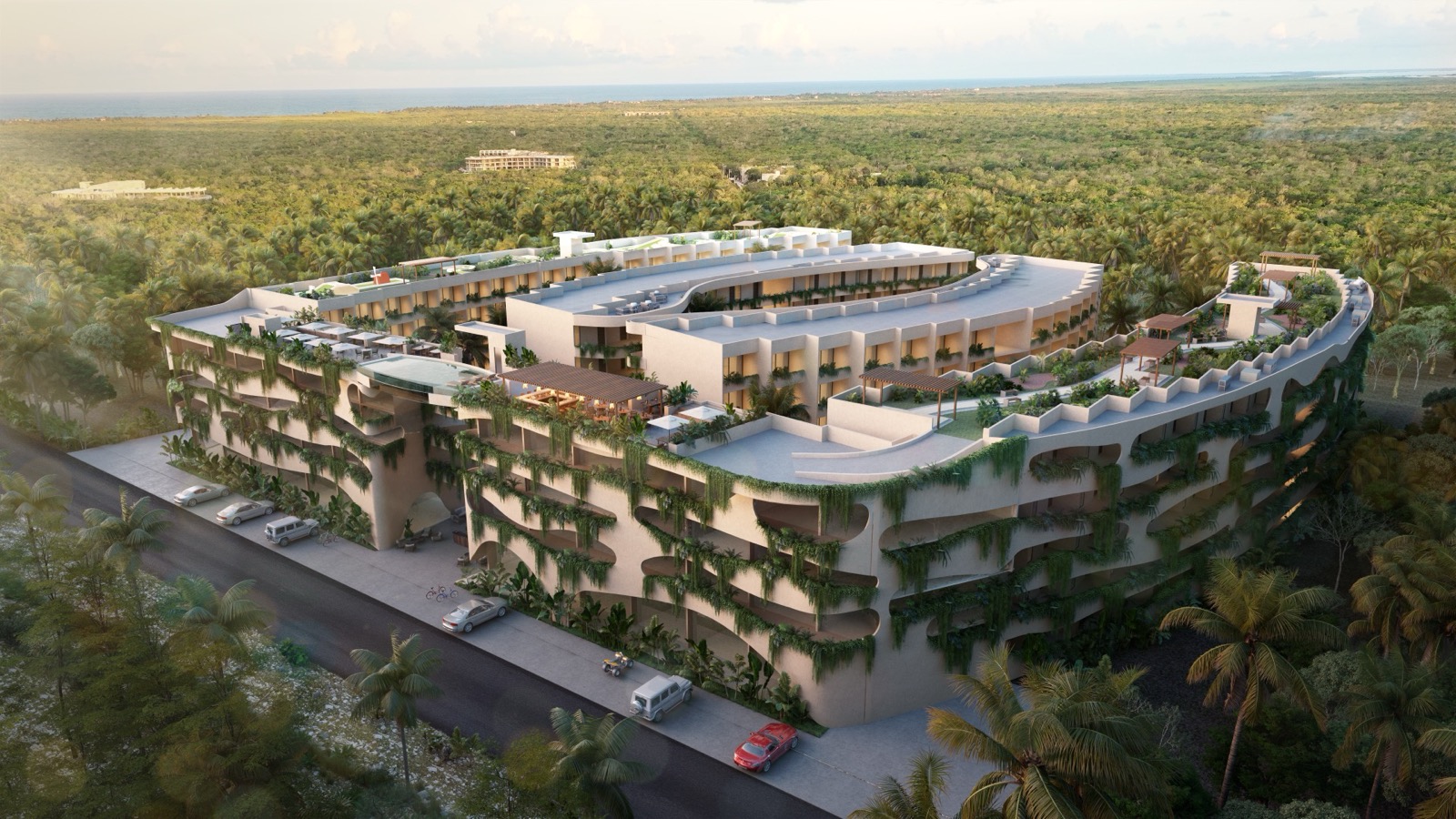
The right property still needs the right paper trail, timing, and ownership route.
Questions buyers should ask before they commit
- Which cost categories are mandatory for this exact property?
- Which costs depend on the trust route, entity structure, or buyer profile?
- Who pays each item and when are those payments due?
- What happens if due diligence finds a title, HOA, permit, or tax issue?
- How much reserve cash should stay available outside the listing price?
- How long is the realistic closing timeline once documents are complete?
How this fits the full foreign-buyer process
Closing costs are one piece of the purchase decision. Buyers comparing zones, ownership structure, and investment use should also review the broader purchase path. If you are still deciding whether Cancun is the right market, start with the Cancun investment guide. If you are already focused on foreign ownership mechanics, review How to Buy Property in Cancun as a Foreigner and the fideicomiso vs corporation guide.

A polished unit does not remove the need for structure, document review, and cash planning.
Pre-closing checklist for foreign buyers
- Confirm target property, intended use, and buyer profile.
- Request the seller or developer closing estimate in writing.
- Validate title, taxes, permissions, HOA rules, and seller authority.
- Confirm whether the ownership route will use a fideicomiso.
- Keep reserve cash for timeline shifts, admin items, and bank friction.
- Review the full path with a local advisor before sending the final reservation.
Video context for the buyer conversation
Use this video as context for the foreign-buyer closing flow. It supports the trust, closing-step, and due-diligence conversation, but the exact estimate should still be confirmed against the actual Cancun property and deal structure.
FAQ
Need a realistic cash-to-close review?
Send Rodrigo your budget, target zone, and property type. Flamingo can turn that into a shortlist and a property-specific due-diligence conversation before you reserve.
WhatsApp Rodrigo for a due-diligence review